Introduction
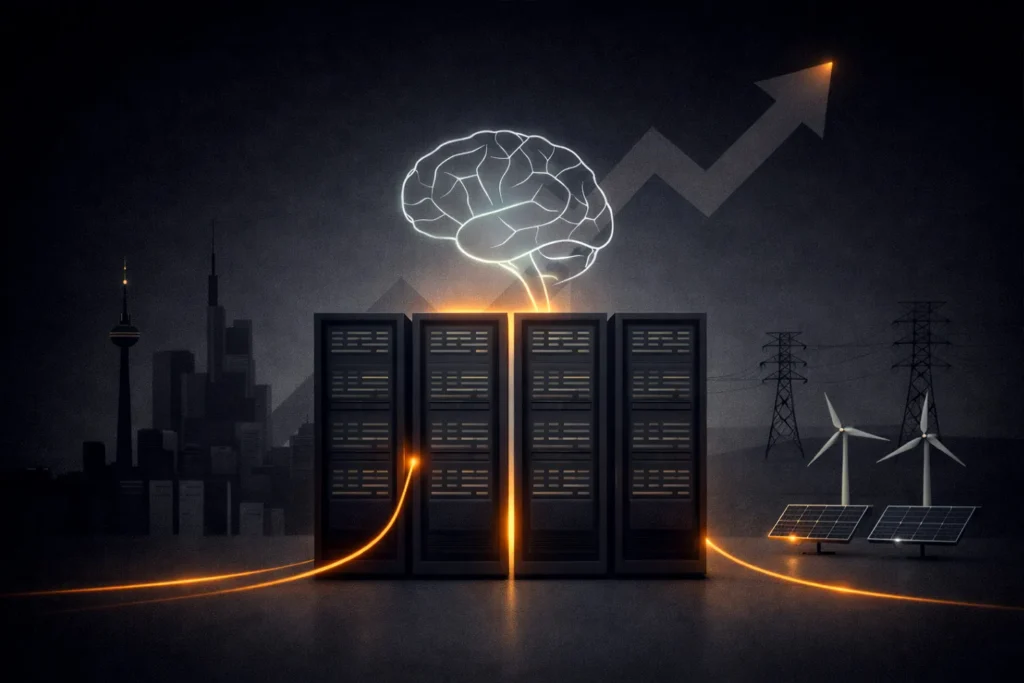
The data center market in Germany continues to see uninterrupted growth in 2025. A recent study by the digital association Bitkom shows that the installed capacity of all data centers and smaller IT installations is rising significantly. For IT decision-makers and management levels, the shifts toward colocation and the projected relevance of AI infrastructures are particularly important.
Market growth and the dominance of colocation
The total capacity of data centers in Germany will increase in 2025 by around 250 megawatts to a total of 2,980 megawatts. This corresponds to a 9% increase compared to the previous year. A key trend is the growing importance of colocation data centers. In 2025, their share of total data center capacity will exceed 50% for the first time.
Compared to the previous year, the colocation segment is seeing capacity growth of 17.5%. A key driver of this development is demand from international hyperscale cloud providers, which have so far operated hardly any of their own data centers in Germany and instead make extensive use of colocation offerings. Cloud installations now account for 49% of German capacity.
Regional distribution and the Frankfurt location
From a regional perspective, the dominance of the greater Frankfurt am Main area is confirmed. With an installed capacity of over 1,100 megawatts, this location accounts for more than one third of the national total capacity. In a European comparison, the region is growing particularly dynamically.
Alongside Frankfurt, Berlin is increasingly establishing itself as a second relevant hub, while northern federal states such as Schleswig-Holstein or Mecklenburg-Vorpommern score points thanks to the availability of land and renewable energy. Site selection is largely influenced by factors such as connectivity to internet exchange points and available grid connection capacity.
Forecast for 2030: The impact of artificial intelligence
Challenges due to energy demand and grid capacities
Conclusion: Growth, change, and responsibility
Download the complete Bitkom study on the data center market in Germany now:
Choose sustainable colocation that saves you money!
Would you like to reduce IT costs and increase your company’s economic efficiency? We will be happy to advise you.