Data centers are the digital backbone of our time. They store, process, and transmit data – enabling almost all digital applications that we take for granted today: from cloud services and e-commerce to streaming, mobility, and Artificial Intelligence, through to the management of critical infrastructure.
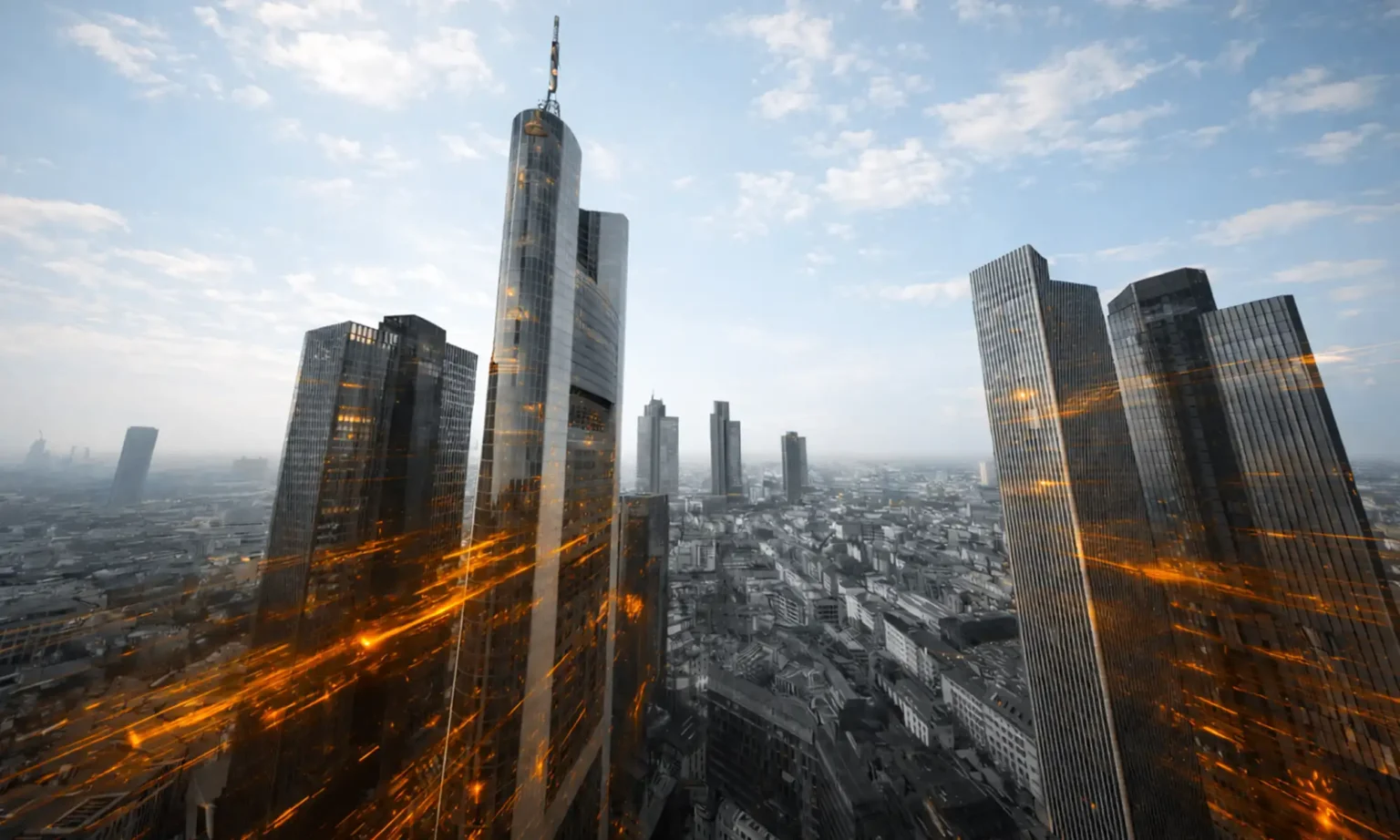
There are currently around 1,994 data centers in Germany – over 300 of which are in the colocation sector. The market is growing rapidly: the installed IT capacity of German colocation data centers is expected to more than double from 1.3 gigawatts (GW) in 2024 to over 3.3 GW by 2029. The industry is also an economic heavyweight: data centers contribute around 10.4 billion euros annually to the German gross domestic product (GDP) – with an upward trend (Source: German Datacenter Outlook 2024/25 by the German Datacenter Association).
But what exactly is a data center? How does it work? What technologies are behind it? And why are topics such as sustainability and energy efficiency increasingly becoming the focus?
In our Content Hub, we offer you in-depth knowledge, practical insights, and current trends regarding data centers. You will find comprehensive information here on the following aspects:
We examine each of these topics on its own page – modular, structured, and interconnected. This allows you to dive specifically into individual areas or gain a complete overview.
Start your journey of discovery through the world of data centers here.
A data center is a specially designed facility for housing IT infrastructure such as servers, storage systems, and network components. It provides the physical and digital foundation for securely storing, processing, and providing large amounts of data.
Data centers are the heart of digital infrastructure. They enable the smooth operation of websites, cloud services, mobile apps, e-commerce platforms, AI applications, and much more. Without data centers, digitalization as we experience it today would not be possible.
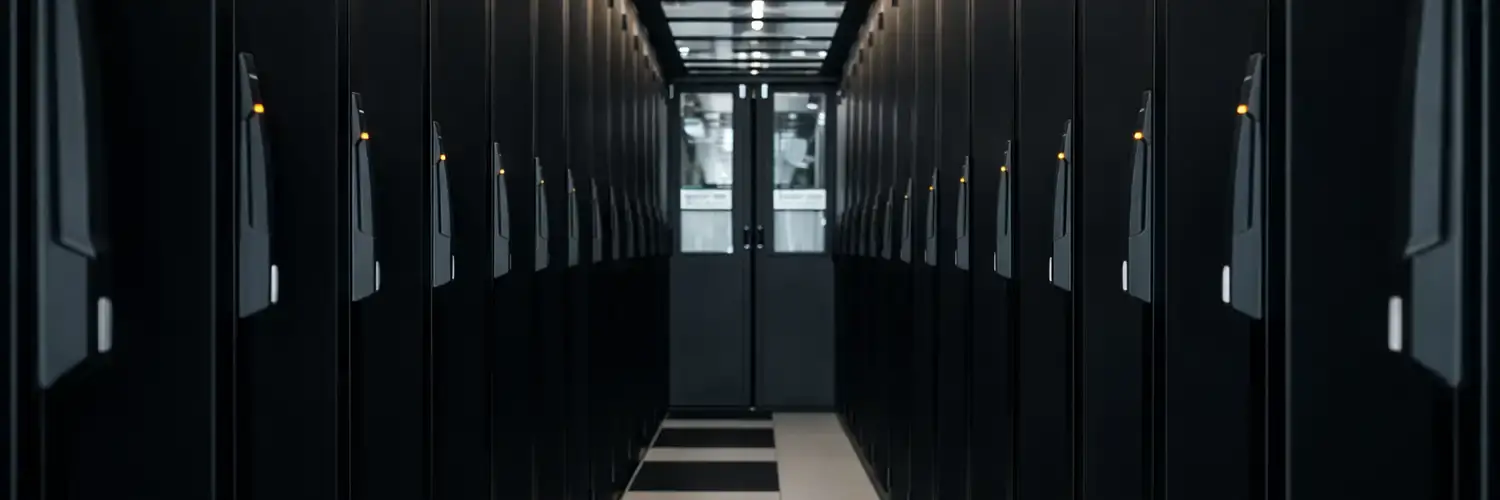
These data centers are operated by companies for their own needs and are often located directly on the company premises or at a nearby site. They offer customized IT environments that are precisely tailored to internal business processes, security requirements, and industry-specific specifications. The advantage: maximum control over infrastructure, data storage, and operation. However, enterprise data centers involve high investment and operating costs and are often less flexibly scalable – which makes them primarily interesting for large companies with stable IT requirements.
With colocation solutions, customers rent individual racks, entire server cabinets, enclosed cages, or dedicated areas in a professionally operated data center – such as at firstcolo. Customers bring their own hardware but simultaneously benefit from a highly available power supply, state-of-the-art cooling technology, physical security, and excellent network connectivity. Colocation offers the ideal middle ground between in-house operation and the cloud: companies retain full control over their systems but avoid the complexity and costs of building their own. Colocation is particularly attractive for medium-sized companies, system houses, IT service providers, or startups with high security and availability requirements.
According to the Datacenter Impact Report Germany by the German Datacenter Association, 69 percent of the total IT connected load of 1,955 MW in 2024 was accounted for by colocation data centers.
The structure of a data center is much more than just a room full of servers. Behind it lies a highly specialized infrastructure designed for maximum security, availability, and efficiency. Let’s take a closer look at the most important components – along central questions:
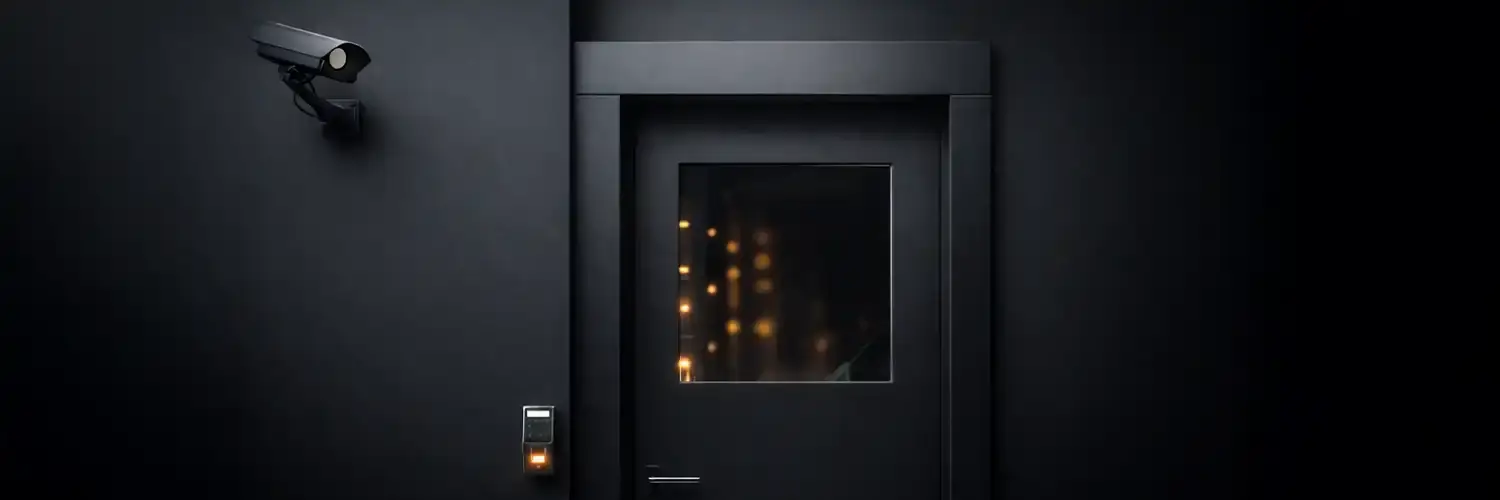
High-performance IT systems are used in data centers to meet the high demands for performance, security, and efficiency. At the center are modern server and storage systems that can process and store enormous amounts of data. They form the foundation for all digital services – from simple web hosting to complex AI applications and real-time data analysis.
To make optimal use of these resources, many data centers rely on virtualization platforms. These allow multiple virtual machines to be operated on a single physical hardware instance, thereby efficiently distributing the available computing power. This reduces hardware requirements, saves energy, and enables flexible adaptation of the IT infrastructure to changing requirements.
Comprehensive monitoring and management systems are equally important. They record all relevant operating data in real time – including temperature, humidity, power consumption, and network activity – and enable central, automated monitoring of the entire environment. This allows potential disruptions to be identified and resolved early, which is essential for the reliable 24/7 operation of a data center.
Modern data centers are therefore not just simple server rooms, but highly dynamic technology platforms that provide scalable and fail-safe infrastructures for companies of all sizes.
Servers generate significant amounts of heat during operation – especially with high-performance applications such as Big Data or Artificial Intelligence. Without effective cooling, the hardware would quickly overheat, leading to failures, damage, and loss of performance. This is why cooling plays a central role in data centers. Today, several methods are combined, differing according to power density, energy efficiency goals, and technical infrastructure.
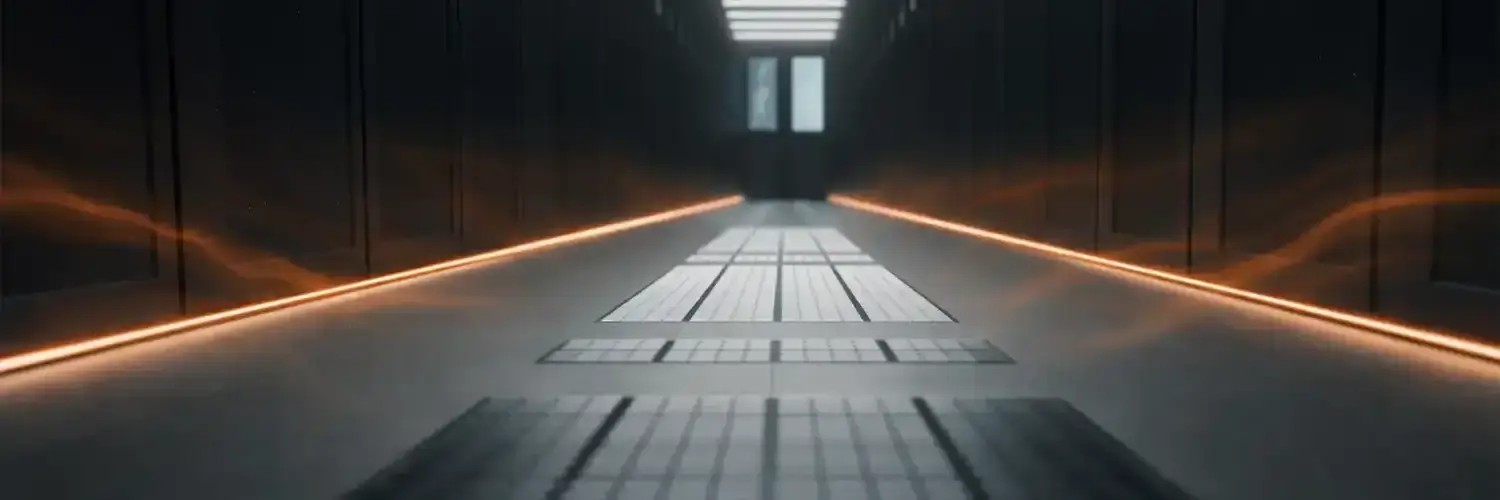
A proven standard is so-called cold/hot aisle containment. Operators arrange the server rows so that they specifically supply cold air to the front of the racks and discharge the warm exhaust air to the rear. This separation of airflows prevents warm and cold air from mixing – and significantly increases cooling efficiency.
For particularly performance-intensive applications, such as high-performance computing or AI training, many operators now rely on liquid cooling. In this process, the waste heat from the servers is no longer dissipated via air, but via water or special cooling liquids. Heat transfer is significantly more efficient, which not only reduces energy costs but also increases the density of the IT hardware that can be installed. In advanced scenarios, immersion cooling is even used: here, entire server components are immersed directly in a non-conductive cooling fluid that immediately absorbs and dissipates the resulting heat – a forward-looking approach for maximum energy efficiency with the highest requirements.
Important for efficiency:
The energy efficiency of a data center is measured by the PUE value (Power Usage Effectiveness).
PUE 1.0 = Perfect efficiency (only theoretically achievable)
Current average in German colocation data centers: PUE 1.3 according to the GDA Datacenter Report 2025
Security is one of the central aspects in the construction and operation of a data center – because business-critical data is often processed, stored, or transmitted here. The requirements for physical and digital protection mechanisms are correspondingly high.
The security chain begins as soon as you enter the data center: multi-level access controls, combined with biometric procedures, video surveillance, and security interlocks, ensure that only authorized persons gain access to the infrastructure. Many data centers work according to the four-eyes principle and log all access events without gaps.
Fire protection is also highly advanced: intelligent early warning systems detect even the smallest smoke or heat developments and activate automatic extinguishing systems if necessary – often based on inert gases such as argon or nitrogen, so as not to damage sensitive IT systems.
Furthermore, redundant firewall architectures, DDoS protection mechanisms, and encryption technologies at the network level ensure protection against cyberattacks and data loss. Professional data centers like those from firstcolo operate according to recognized security standards (e.g., ISO 27001) and thus provide a consistently secured IT environment – both physically and digitally.
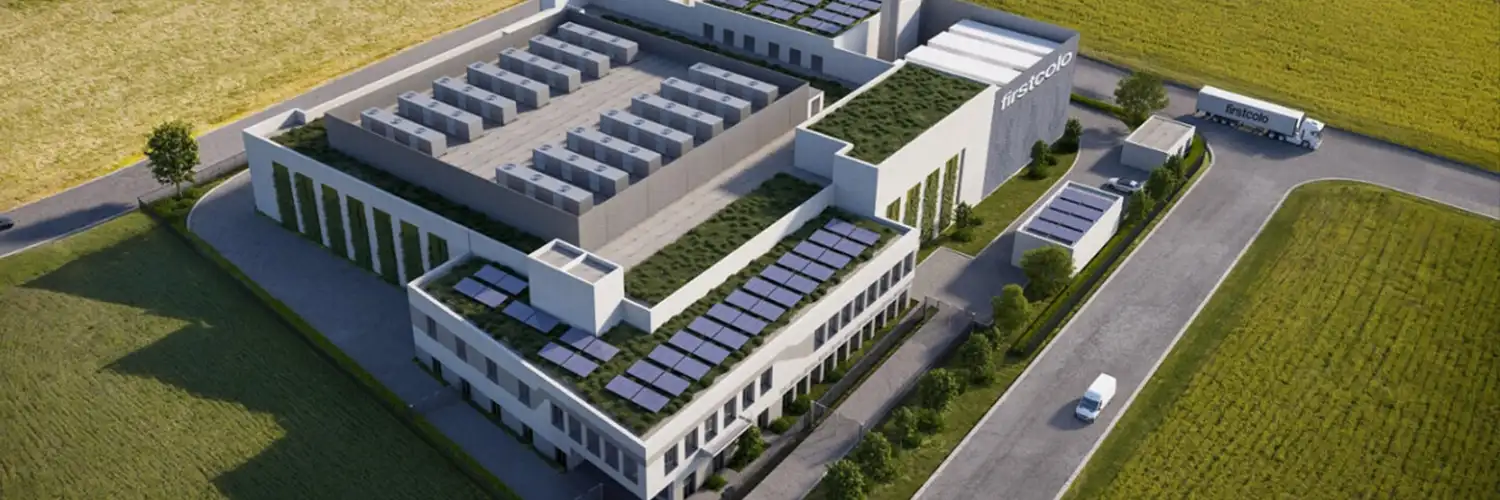
A data center must be available around the clock – 365 days a year, without interruption. To ensure this high availability, a fail-safe power supply is indispensable. Modern data centers therefore work with multiple redundant power circuits that are operated independently of one another.
In normal operation, power is supplied via several separate grid connections – ideally from different energy providers. Should an interruption nevertheless occur, uninterruptible power supplies (UPS) take over immediately and prevent voltage fluctuations or short outages. In parallel, diesel generators are on standby, which start automatically in the event of longer-term power outages and can maintain operation for several hours or days.
Another aspect is load management: highly developed control systems continuously analyze energy consumption and intelligently distribute the load to available resources. This allows peak loads to be avoided, energy to be used more efficiently, and cooling structures to be controlled specifically.
Future-oriented data centers also rely on a green power supply – for example, through green electricity tariffs, Power Purchase Agreements (PPAs), or the direct integration of photovoltaic and wind power plants. This not only ensures supply security but also makes an active contribution to CO₂ reduction.
A stable and powerful network infrastructure is essential for the smooth operation of a data center. The foundation is redundantly designed fiber optic connections that enable high bandwidths and low latency times. Routers, switches, and cross connects ensure secure, efficient distribution of data traffic within the data center and to external networks.
Direct connection to Internet Exchange Points (IXPs) such as DE-CIX in Frankfurt is particularly advantageous, guaranteeing fast and stable data paths to the global internet. Private connects can also be used to establish direct connections to hyperscalers such as AWS, Azure, or Google Cloud – ideal for hybrid IT architectures with the highest performance and security requirements.
Modern data centers like firstcolo thus offer a network environment designed for high availability, flexibility, and future security.
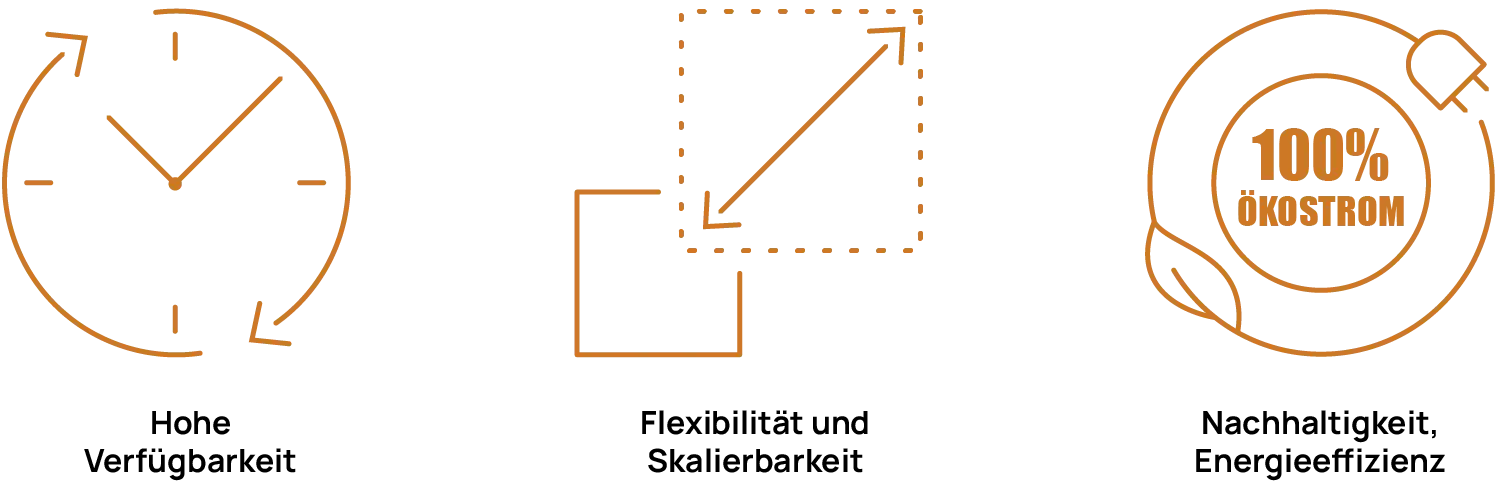
For many companies, the permanent availability of their IT systems is business-critical – failures mean not only loss of productivity but often also financial damage and loss of trust.
Modern data centers therefore place the highest demands on operational security. They work with redundant power and network connections to ensure uninterrupted operation even in the event of disruptions. Multi-level air conditioning systems ensure that servers are optimally cooled even under full load, while automatic early fire detection and extinguishing systems neutralize potential sources of danger early.
The internationally recognized Tier classification serves to categorize availability levels:
A Tier III data center guarantees very high fail-safety – even during planned maintenance work. Tier IV data centers offer maximum redundancy and enable uptimes of up to 99.995% per year – which means less than 30 minutes of unplanned downtime.
The requirements for IT infrastructures are constantly changing. Companies grow, need more computing power, expand their data capacities, or switch to new technologies such as Artificial Intelligence and Big Data.
Legal requirements – for example, regarding data protection or energy efficiency – can also necessitate adjustments.
A modern data center must therefore:
Sustainability has long been more than just a trend – it is a central success factor in data center operation. Given the high energy requirements of large server landscapes, energy-efficient operating models and the use of sustainable technologies are increasingly becoming the focus. Modern data centers thus contribute not only to achieving climate goals but also to the long-term reduction of operating costs.
A major lever is the use of 100% electricity from renewable sources. This is achieved, for example, through special green electricity tariffs or long-term Power Purchase Agreements (PPAs) with energy producers. This allows operators to reliably cover their electricity needs – while significantly reducing their CO₂ footprint.
Many operators also rely on sustainable solutions for cooling. Free cooling systems that use cool outside air contribute to energy savings, as do cold/hot aisle containment or modern liquid cooling for high-performance workloads. All these methods aim to minimize energy consumption while maintaining performance. You can learn more about cooling in the “Technology & Infrastructure” section of our dossier.
Another building block is the use of the resulting waste heat. More and more data centers are feeding surplus heat into neighboring buildings or municipal district heating networks – a forward-looking contribution to local energy supply in the sense of a sustainable circular economy.
According to the new German Energy Efficiency Act, new data centers must achieve a maximum PUE value (Power Usage Effectiveness) of 1.3 from 2026. Operators are working to meet these requirements, for example by investing in modern cooling systems and intelligent power management solutions.
Sustainability is no longer an optional extra but a duty – and plays a central role in the choice of location and provider for many companies.
Energy efficiency is no longer a side issue – it has become a core strategic requirement. With legal requirements such as the German Energy Efficiency Act (EnEfG), which prescribes a maximum PUE value of 1.3 for new data centers from 2026, the topic is more in focus than ever.
According to a study by the industry association Bitkom, 64 percent of the companies surveyed state that they pay attention to environmental friendliness and sustainability when selecting a data center (German Datacenter Report).
Therefore, operators are investing in modern cooling systems, intelligent energy distribution, and waste heat recovery – not only to comply with regulations but also to reduce costs and position themselves as sustainable providers. Innovations such as liquid cooling, immersion cooling, or modular construction concepts are direct responses to this development.
The use of AI-supported monitoring and automated control significantly simplifies the operation of data centers. Predictive maintenance, dynamic load management, and smart energy control increase efficiency and reduce failure risks.
The geographical location of a data center is a central factor for availability, security, and performance. An ideal location is characterized by a low risk of natural events such as floods, earthquakes, or extreme weather conditions – an important aspect for the operational security of sensitive IT infrastructure.
At the same time, proximity to major economic centers plays a major role: it ensures not only short latency times for data transmission but also good connectivity to partners, customers, and service providers.
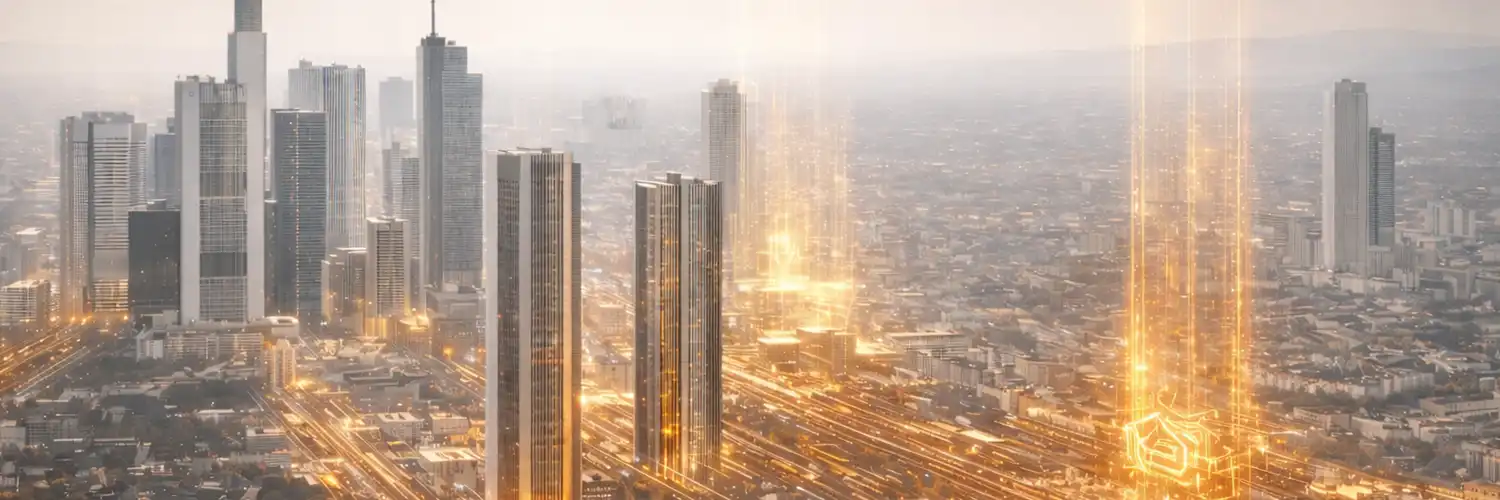
An outstanding example of this is Frankfurt am Main, which is one of the most important data center locations in Europe. The city is geographically central in Germany and Europe, offering an optimal location for national and international connections. Access to DE-CIX, one of the largest internet hubs worldwide, enables extremely high-performance and low-latency network connections – a major advantage for cloud services, streaming, financial transactions, and AI applications. Added to this is the high density of companies, financial service providers, and globally active corporations, which also make the location particularly attractive economically.
This combination of infrastructure, connectivity, and market proximity makes Frankfurt a preferred location for data centers – including for firstcolo.
In addition to Frankfurt, London, Amsterdam, Paris, and Dublin are also noteworthy as outstanding data center locations in the European context. These are – in conjunction with Frankfurt – also referred to as the so-called “FLAP-D” markets.
A stable, high-performance, and redundant energy supply is indispensable for the smooth operation of a data center. Ideal locations have a well-developed grid infrastructure and, if possible, several independent power supplies. Depending on the power requirement, proximity to substations or high-voltage grids is also a decisive factor.
The availability of green electricity is also becoming increasingly important. Many operators – including firstcolo – specifically rely on electricity from renewable energy sources or conclude long-term power purchase agreements (PPAs) with green electricity providers. The possibility of integrating photovoltaics or using waste heat as an energy source for adjacent districts also plays an increasing role in site selection.
Equally important is the connection to high-performance fiber optic backbones and carrier infrastructures. The better the connectivity, the higher the quality of the network connection – a central criterion for applications with real-time requirements, such as cloud or financial applications.

A data center location must not only be technically high-performing – it must also meet the legal and security-related requirements of its customers. Especially for companies from regulated industries such as finance, healthcare, or public administration, compliance with data protection regulations such as the GDPR is essential.
Data locality plays a central role here: data processed and stored within Germany or the EU is subject to stricter legal protection requirements and is thus better protected against access by third parties. Data centers in Germany offer a high degree of legal certainty here – for both national and international companies.
In addition, professional operators offer certified infrastructures, e.g., according to ISO 27001, ISO 50001, or EN 50600. These certifications prove that processes and systems meet the highest requirements for security, energy efficiency, and quality – and thus offer valuable protection during audits or compliance checks.
Building and operating your own data center is cost-intensive: land, building infrastructure, air conditioning, power supply, security measures, and personnel require high initial investments and ongoing operating costs.
By outsourcing IT to a colocation data center like firstcolo, companies save significant costs, as they only pay for the resources they actually need – flexibly scalable and without long-term capital commitment.
External data centers continuously invest in state-of-the-art technologies to ensure the highest standards in energy efficiency, security, and availability. Companies automatically benefit from this innovation without having to invest in expensive upgrades themselves.
In addition, professional data centers meet industry-specific certifications such as:
This makes it easier for companies to comply with regulatory requirements and compliance specifications.
Professional data centers offer a variety of security measures:
These measures drastically reduce the risk of failures, data loss, or unauthorized access.
Especially for regulated industries such as banks, insurance companies, or the healthcare sector, a certified data center is an indispensable partner.
Outsourcing IT infrastructure to an external data center noticeably relieves internal IT departments.
Instead of spending time and resources on maintaining physical systems, companies can focus on their core business – driving innovation, improving customer services, and developing new digital business models.
firstcolo supports companies in outsourcing operations efficiently and securely – individually adapted to the respective requirements.
Small and medium-sized enterprises (SMEs) benefit particularly strongly from using external data centers. They gain access to highly professional IT infrastructure without having to bear high investment costs or maintain their own specialist staff. For SMEs, cost-efficient solutions with clearly calculable monthly costs are particularly important. At the same time, they expect flexible scalability to react to growth or seasonal fluctuations. High fail-safety and compliance with data protection regulations such as the GDPR are also crucial.
With a colocation partner like firstcolo, SMEs can outsource their IT as needed and focus on their core business. A managed data center is ideal for companies that want to minimize operational effort while benefiting from professional operation and support.
Cloud services, in turn, place particularly high demands on the connectivity and flexibility of a data center. Providers of cloud solutions need direct connections to internet exchange points such as DE-CIX Frankfurt as well as private connections to hyperscalers such as AWS, Microsoft Azure, or Google Cloud. Low latency times, high bandwidths, and scalable resources are essential to ensure optimal service quality. Compliance with certifications such as ISO 27001 also plays a central role, as it guarantees the security and reliability of the cloud services. firstcolo offers optimized infrastructure solutions for this, efficiently supporting public, private, and hybrid cloud models.