
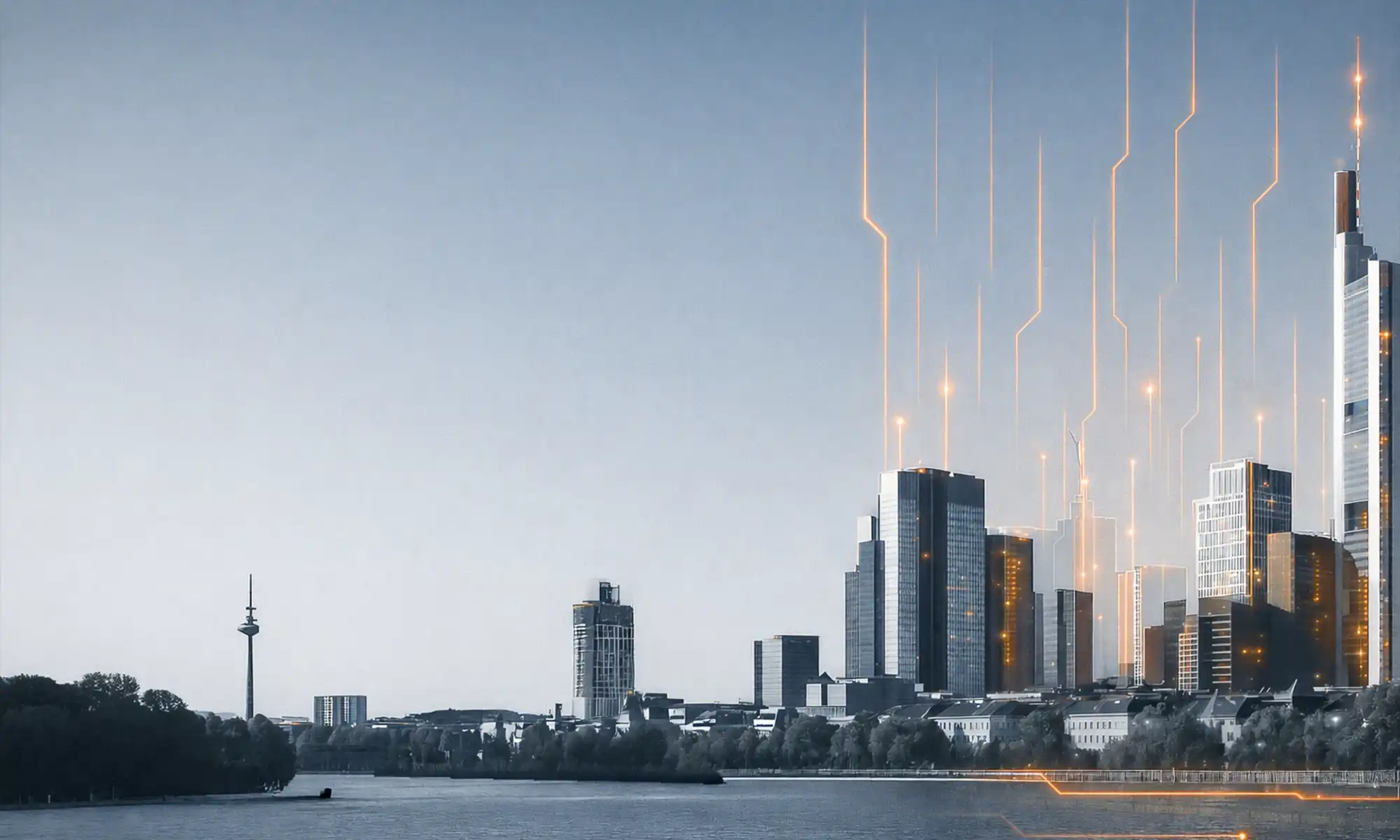
Our locations in Frankfurt am Main are certified by TÜV Saarland as Tier 3 highly available data centers, ensuring flawless operation of approximately 20,000 server systems currently hosted, which are used by our customers in the form of colocation or as dedicated rental servers.
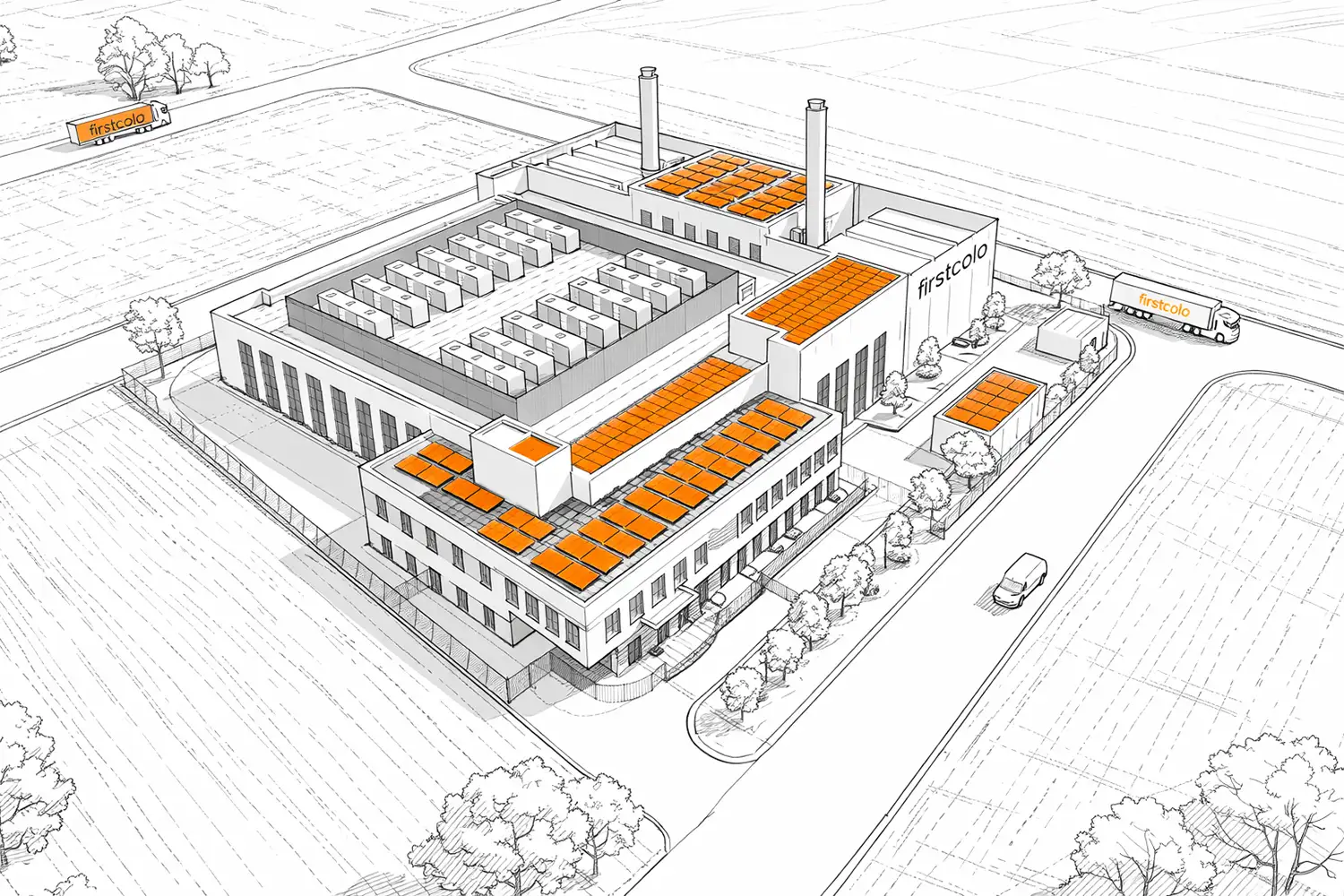
Our new data center location in Rosbach vor der Höhe in the Frankfurt area (opening: 2027) offers state-of-the-art infrastructure and meets the requirements of the Energy Efficiency Act from 2027 with a planned PUE target value of 1.2. With a gross capacity of up to 24 MW and 100% green energy supply, we focus on sustainable performance: AI-ready for artificial intelligence and with high-density racks of up to 200 kW. Our customers benefit from redundant fiber optic connections between the existing Frankfurt locations and flexibly use managed Ethernet transport or dark fiber services.
Immediately available and highly available space for your infrastructure.
Tailored: Our offering is based on your requirements.
Your data is secure and always optimally protected.
AI readiness, state-of-the-art cooling technology, and high energy efficiency.
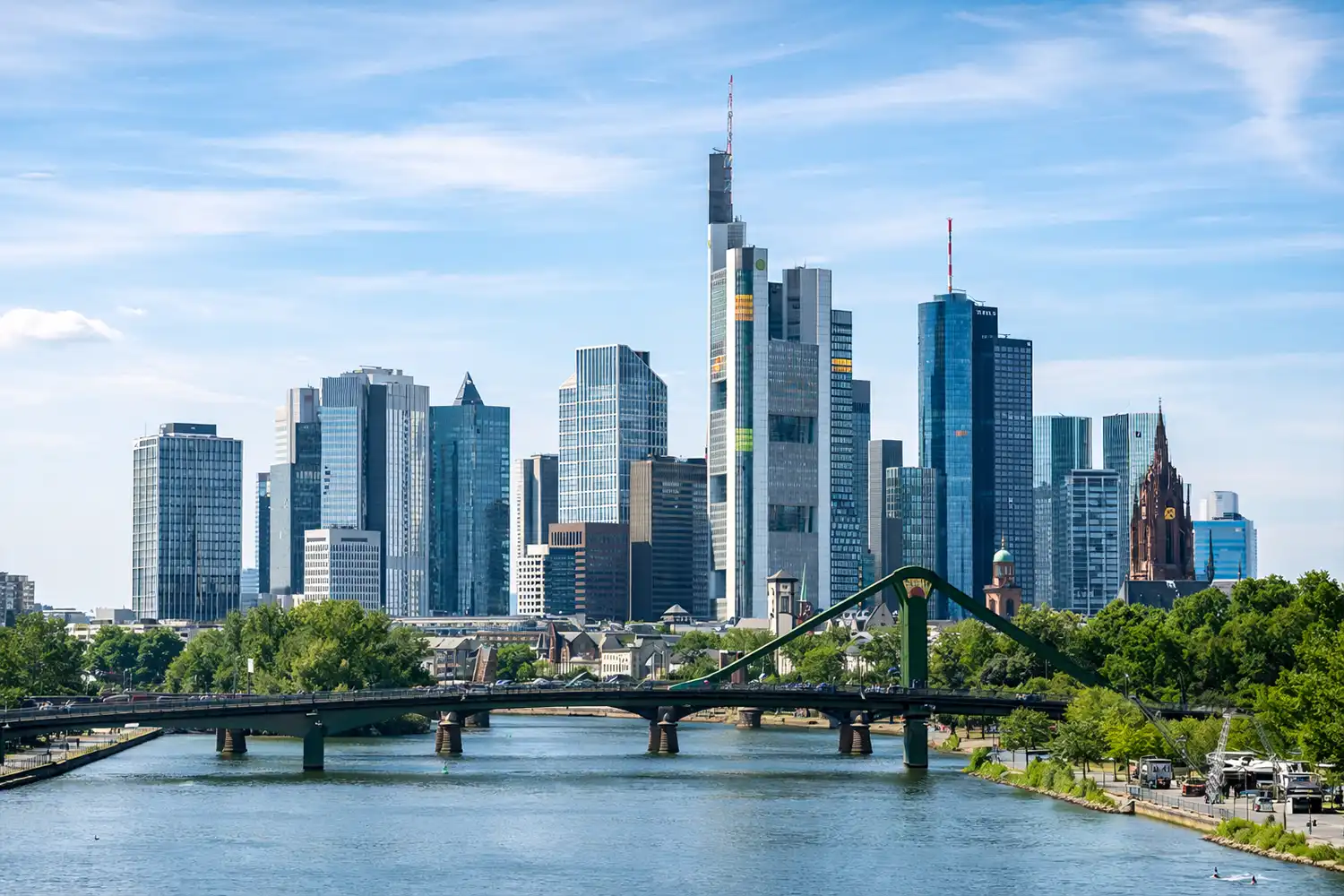
Certifications: ISO 27001, ISO 9001, ISO 14001, ISO 45001.
Certifications: ISO 27001, ISO 9001, ISO 50001, SOC 1 Type II, SOC 2 Type II, PCI DSS, OHSAS 1800, ISO 22301, ISO 14001, ISO 27017 (MS), ISO 45001, ISO 20000, ISO 20000-1.
Capacity: up to 100 kW.
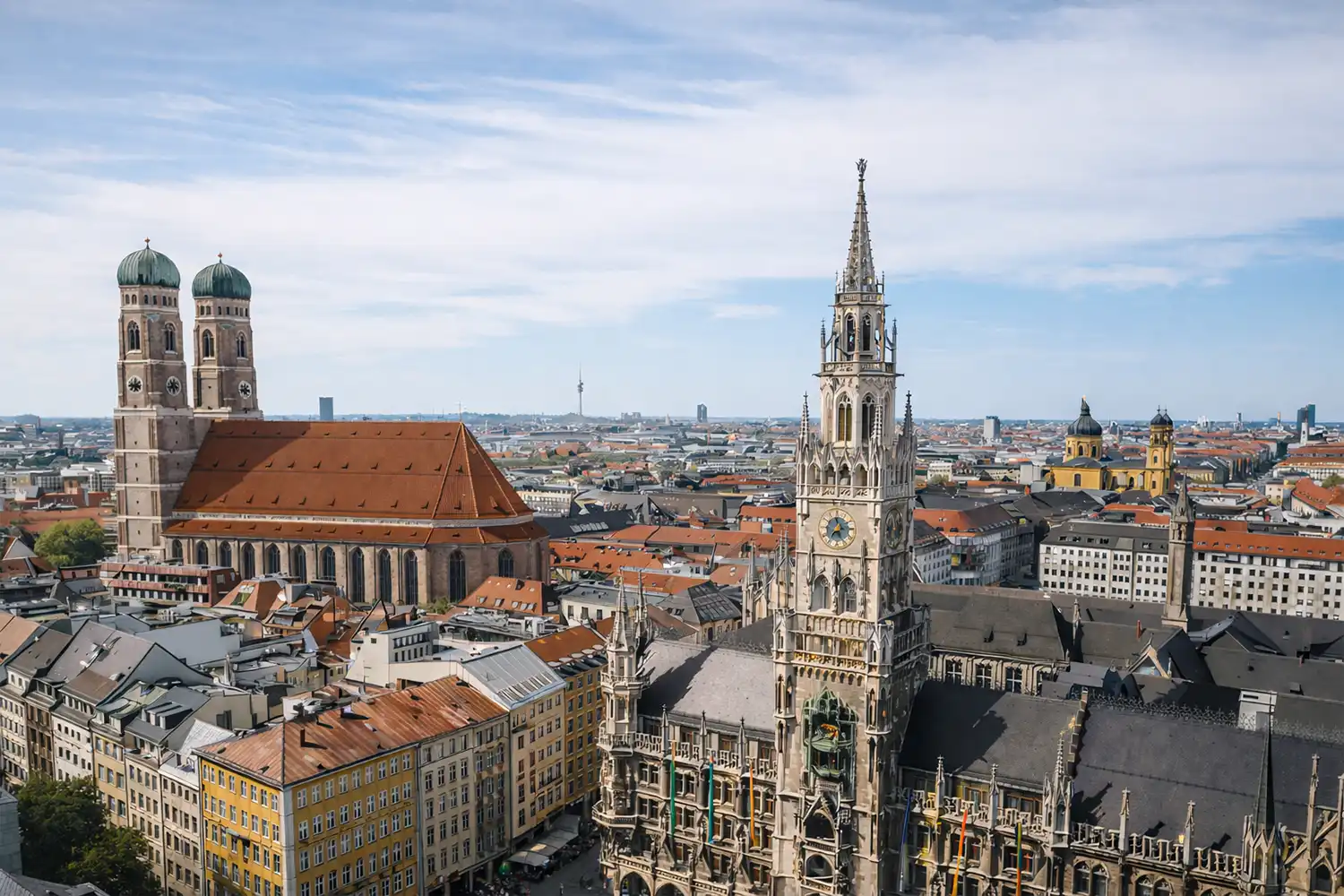
firstcolo's data centers are successfully certified according to ISO 27001 and ISO 9001.
Our data centers in Frankfurt am Main are also certified as "TÜV-tested Data Center Level 3".
Highest security standards for the financial sector for colocation services in our Frankfurt data centers.
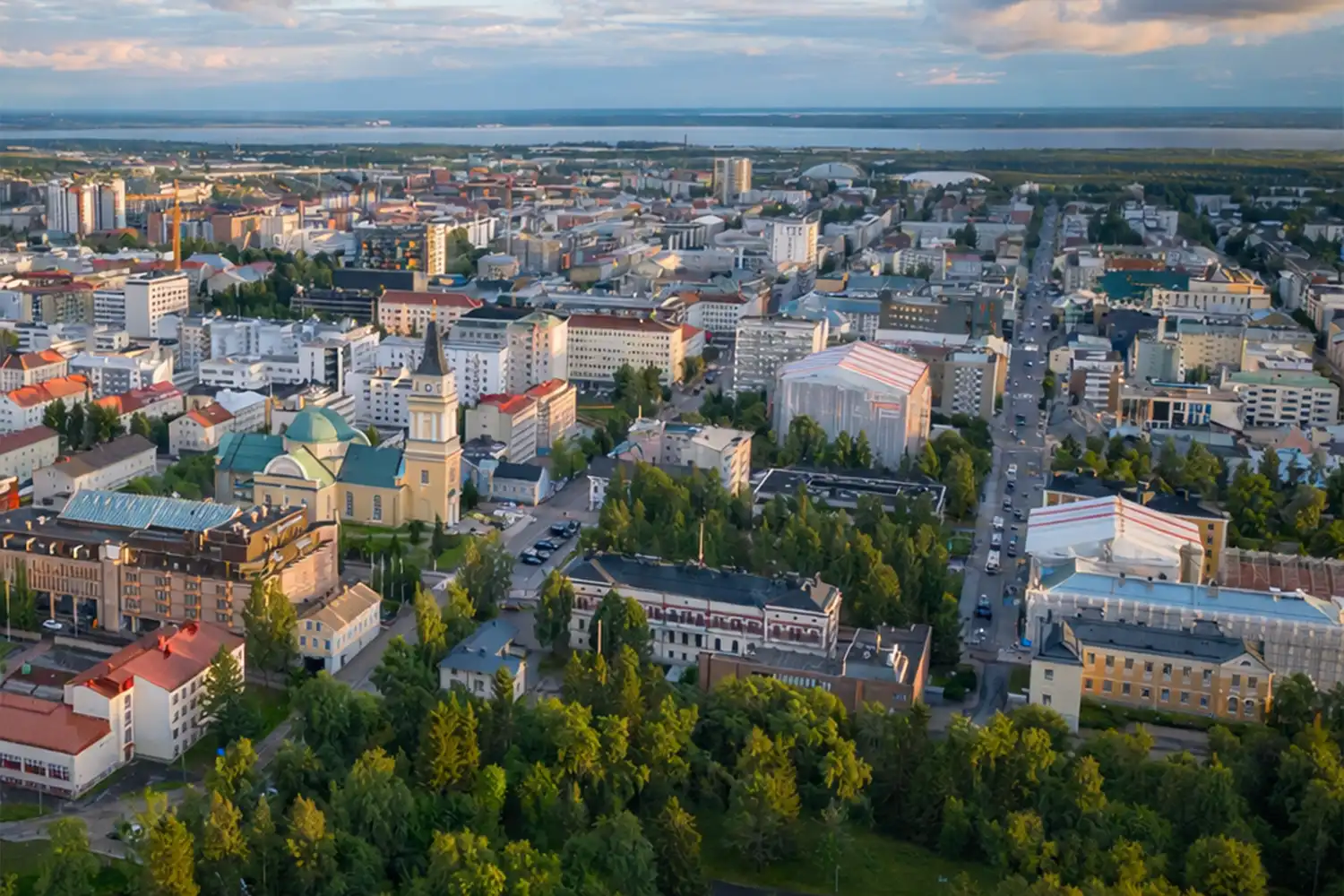
Certifications: ISO 9001, ISO 27001, ISO 14001.
Capacity: Zone 1: 0.3 MW, Zone 2: 0.4 MW
Certifications: ISO 9001, ISO 27001:2022, ISO 14001.
Capacity: 1.6 MW.
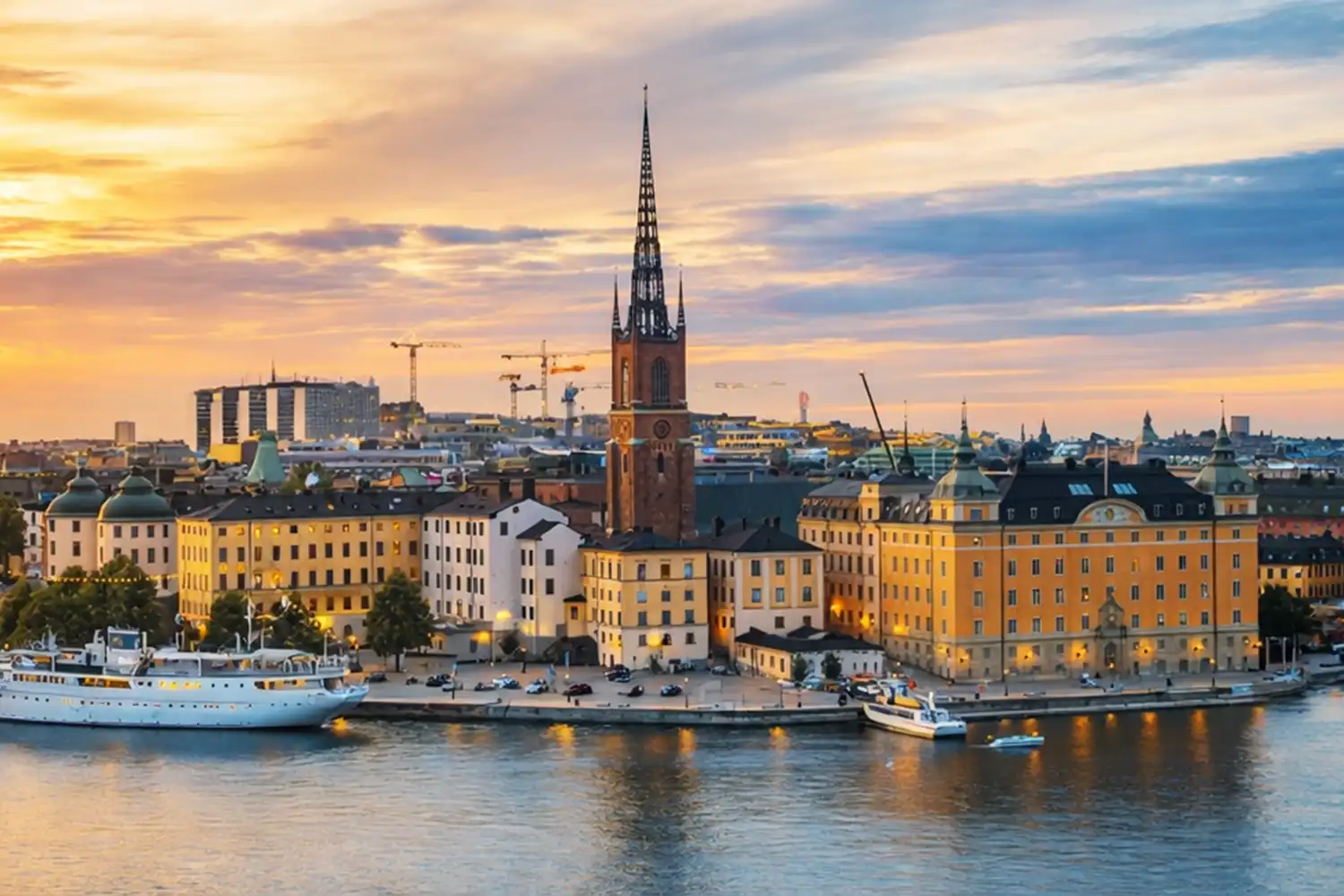
Certifications: ISO 9001, ISO 27001:2022, ISO 14001.
Capacity: 5 MW.
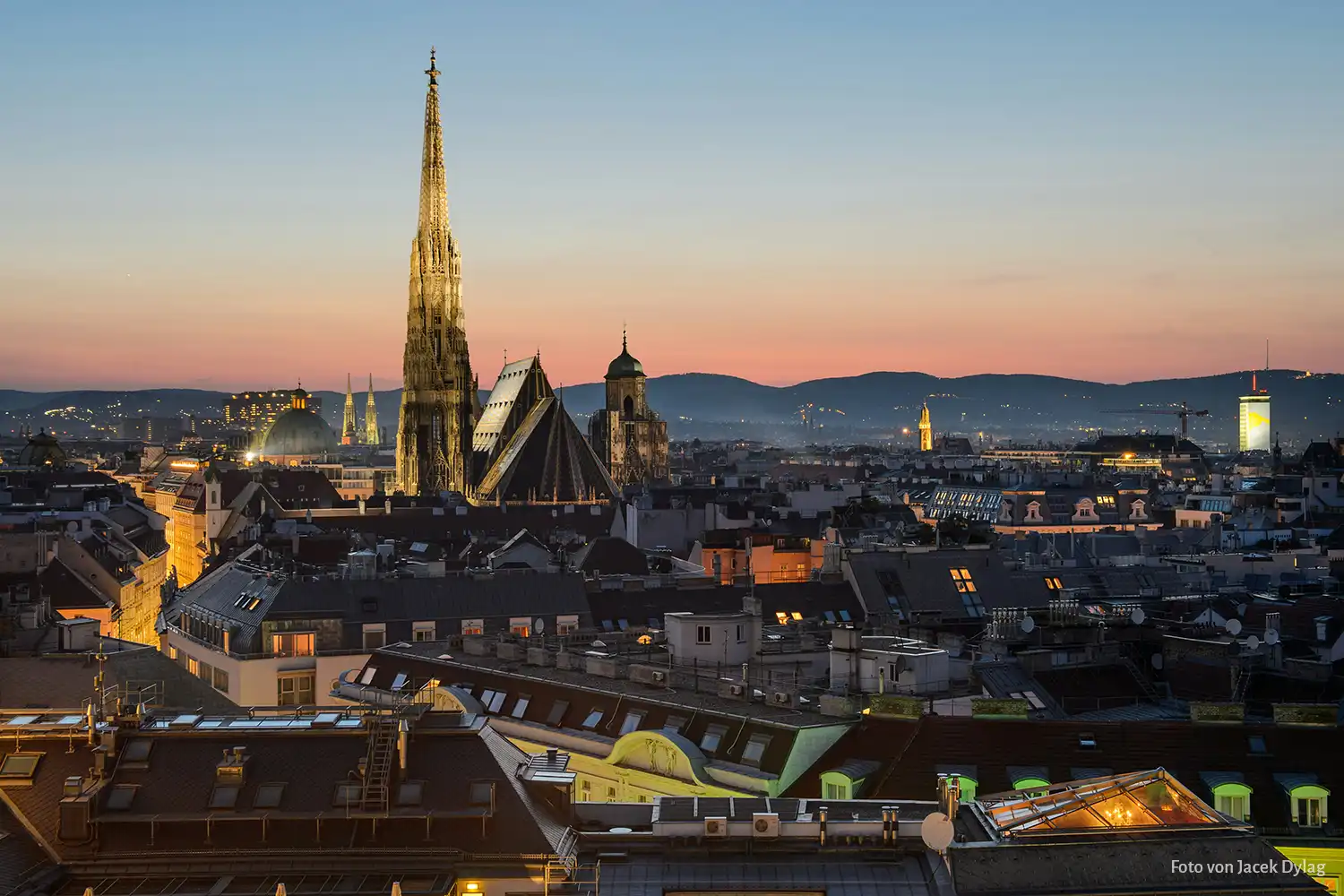
With our new carrier-neutral data center in Vienna, we offer additional geographic redundancy in addition to Frankfurt am Main. Customers benefit from modern, secure, and scalable infrastructure, diverse connectivity options to numerous carriers and internet service providers, as well as direct connection to the Vienna Internet Exchange (VIX).
Certifications: ISO 27001, ISO 9001.
Capacity: Up to 30 kW per rack.
In our IT moves newsletter, you’ll learn what’s relevant in digital infrastructure, data centers, cloud computing, cybersecurity, and regulation – every two weeks, compactly summarized and professionally analyzed by firstcolo experts. Free, directly to your inbox.
The most important facts about our data center locations at a glance:
A PoP (Point of Presence) from a data center operator’s perspective is a physical location that serves as an access point for networks or services. Typically, it is infrastructure that enables various network providers, Internet Service Providers (ISPs), and customers to connect to a data center’s network or a larger communication network.
A redundancy site (also colocation or co-location) refers to hosting servers, hardware, and IT infrastructure in an external data center provided by a specialized data center provider. Instead of operating your own hardware in your own business premises or server room, the equipment is housed in a data center specifically optimized for this purpose.
The ideal location for a data center depends on various factors affecting both technical and operational aspects.
The most important criteria include geographic location, energy supply and energy costs, network/internet connectivity, security aspects, legal and regulatory factors, as well as scalability and flexibility.
Energy supply is one of the central factors in selecting a data center location. Data centers require a permanently stable and powerful electricity supply, as even brief interruptions can have significant impacts on availability and business operations.
Important criteria include connection to multiple independent power grids, redundant feeds, powerful UPS systems (uninterruptible power supply), and emergency generators to safeguard against grid failures.
Furthermore, aspects such as energy efficiency, sustainability, and access to renewable energy are becoming increasingly important – both from a cost perspective and with regard to ESG requirements and corporate responsibility.
Do you have further questions? In our glossary, you will find detailed explanations of relevant technical terms and topics.
Send us a message!